
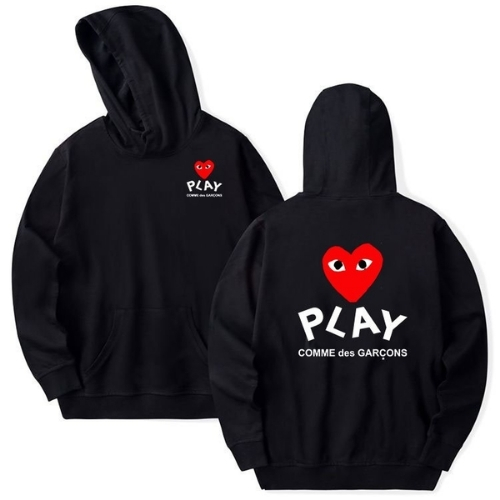
Simple outfits do not have to look plain or predictable. The right combination of distinctive pieces, balanced proportions, and thoughtful accessories can give everyday clothing a more expressive character.Comme Des Garcons is known for bringing creative details into wearable fashion, making it easier to refresh familiar wardrobe staples. Whether you prefer relaxed streetwear or a cleaner contemporary aesthetic, adding one recognizable statement piece can change the entire appearance without requiring a complete wardrobe overhaul.
Start With a Strong Statement Piece
A simple outfit becomes more interesting when one piece provides visual character.Comme Des Garcons Converse sneakers, for example, can add an artistic streetwear element to basic jeans and a plain sweatshirt. The contrast between familiar clothing and distinctive footwear creates a balanced appearance without making the outfit feel overloaded. You can also use a graphic top, structured jacket, or unusual accessory as the focal point while keeping the remaining pieces neutral and easy to coordinate.
Build Around Neutral Wardrobe Essentials
Neutral colors provide an excellent foundation for creating modern outfits because they allow statement pieces to receive more attention. Black, white, grey, beige, and navy can work with different textures and silhouettes while keeping the overall appearance controlled. An Essentials Hoodie can also provide a relaxed base when paired with structured trousers, denim, or distinctive sneakers. Instead of matching every item perfectly, focus on creating contrast through proportions, materials, and subtle changes in tone.
Experiment With Layering
Layering is one of the easiest ways to transform familiar clothing into a more developed outfit. Start with a simple base such as a T-shirt and straight-leg trousers, then introduce another layer that changes the silhouette. A lightweight overshirt, cardigan, cropped jacket, or relaxed blazer can add depth without making the outfit complicated. Pay attention to length and volume when layering, because combining different proportions can create visual interest while keeping the clothing comfortable and practical.
Play With Proportions
Proportion can completely change how a basic outfit looks. Instead of wearing slim pieces from head to toe, consider pairing a relaxed top with straighter trousers or a fitted layer with wider pants. Oversized silhouettes can create a casual streetwear feeling, while cleaner proportions may produce a sharper appearance. The key is balance rather than simply choosing larger or smaller clothing. When one part of an outfit has noticeable volume, keeping another area more streamlined can create a more intentional overall shape.
Use Footwear to Change the Mood
Shoes often influence the character of an outfit more than expected. A pair of distinctive sneakers can make basic denim and a plain T-shirt feel contemporary, while cleaner footwear can create a polished appearance. High-top sneakers can add structure around the ankle, whereas low-profile designs may produce a lighter silhouette. Consider the shape and color of your trousers when choosing footwear. Slightly cropped pants can highlight sneakers, while longer relaxed trousers can create a more casual and effortless effect.
Add Texture Instead of Extra Color
You do not always need bright colors to make a simple outfit stand out. Texture can create visual depth while maintaining a restrained palette. Try combining cotton with denim, knitwear with smooth trousers, or a lightweight jacket with a heavier base layer. These differences make an outfit more interesting without introducing too many competing elements. Textured accessories, such as a canvas bag, knitted piece, or structured cap, can also add subtle character while keeping the main outfit easy to wear.
Choose Accessories With Purpose
Accessories work best when they complement the outfit instead of competing with it. A carefully selected bag, watch, cap, belt, or pair of sunglasses can make familiar clothing feel more complete. Consider these practical approaches:
* Choose one noticeable accessory when the outfit already contains strong details.
* Match accessory proportions with the clothing silhouette rather than choosing items randomly.
* Use simple accessories to balance expressive footwear or outerwear.
* Consider texture and shape alongside color when building the final look.
The goal is not to add as many accessories as possible. A few purposeful details can create a stronger result than several unrelated pieces.
Create Contrast With Different Styles
Mixing contrasting clothing styles can make simple outfits feel more personal. For example, relaxed denim can work with a structured jacket, while casual sneakers can be combined with tailored trousers. This approach prevents an outfit from looking too uniform and creates a contemporary balance between relaxed and refined elements. When combining different styles, choose one clear connection, such as color, texture, or silhouette. That small connection helps the pieces feel intentional even when their original styles are different.
Keep Color Coordination Simple
A controlled color palette makes experimentation easier. You can begin with two or three primary shades and then introduce one contrasting detail. Black and white provide a classic foundation, while earthy colors can create a softer appearance. If your footwear or outer layer contains a noticeable color, repeat a subtle version of that shade somewhere else in the outfit. This does not mean everything needs to match exactly. Small color connections can make separate pieces appear visually connected.
Refresh Basic Denim Outfits
Denim is one of the easiest wardrobe foundations to transform because it works with many different styles. Straight-leg jeans can be paired with a graphic sweatshirt and sneakers for a casual look, while darker denim can support a cleaner jacket and knit combination. Try changing the upper layer rather than replacing the jeans. A different jacket, cardigan, or overshirt can give the same trousers a completely different personality. This makes experimentation more affordable and encourages more creative use of existing clothing.
Make Outerwear the Focal Point
Outerwear can instantly change the appearance of a basic outfit because it occupies a large visual area. A distinctive jacket over a plain T-shirt and trousers can create a complete look with minimal effort. Consider cropped jackets for sharper proportions or relaxed outerwear for a more casual silhouette. When the outer layer has strong details, keep the rest of the outfit relatively simple. This creates a clear focal point and prevents several bold pieces from competing for attention.
Balance Comfort With Personal Style
An outfit should look expressive while remaining practical enough for everyday movement. Comfortable fabrics, suitable footwear, and functional layers make it easier to wear creative combinations confidently. Avoid adding a trend simply because it is popular if it does not work with your routine. Instead, adapt interesting design ideas to your own preferences. A relaxed pair of trousers, comfortable sneakers, and a distinctive upper layer can provide personality without sacrificing usability, making the outfit suitable for regular activities.
Build a Repeatable Styling Formula
Once you discover combinations that work, turn them into simple styling formulas. One formula might combine neutral trousers, a graphic top, distinctive sneakers, and a lightweight jacket. Another could use relaxed denim, a plain sweatshirt, a structured outer layer, and minimal accessories. Creating formulas saves time while still allowing variation. Change one element at a time, such as footwear or outerwear, to produce a new appearance. This approach helps you develop a recognizable wardrobe without purchasing completely different outfits.
Small Details Make the Difference
Transforming simple outfits is often about making small, deliberate changes rather than adding expensive or complicated pieces. A different shoe, layered shirt, textured jacket, or carefully chosen accessory can shift the entire visual direction. Focus on balance, contrast, proportion, and practicality when putting together each combination. The strongest everyday outfits usually feel natural rather than overly planned. By understanding how individual elements affect the whole look, you can make basic wardrobe pieces feel more distinctive and versatile.
Frequently Asked Questions
How can I make a basic outfit look more stylish?
Start with one statement element, such as distinctive footwear, outerwear, or an accessory. Keep the remaining pieces relatively simple so the focal item has enough visual space.
Can neutral colors make an outfit interesting?
Yes. Neutral colors create a flexible foundation, while differences in texture, proportion, and silhouette provide visual interest without relying on bright colors.
How many statement pieces should an outfit have?
Usually, one or two noticeable elements are enough for a balanced everyday outfit. Too many strong pieces can make the overall appearance feel visually crowded.
Are sneakers suitable for smarter outfits?
Yes. Clean, well-proportioned sneakers can work with tailored trousers, structured jackets, and knitwear when the colors and silhouettes complement each other.
How can I transform outfits without buying many new clothes?
Reuse your existing basics and change one major element at a time. Experiment with layering, footwear, accessories, proportions, and color combinations to create different looks.
